
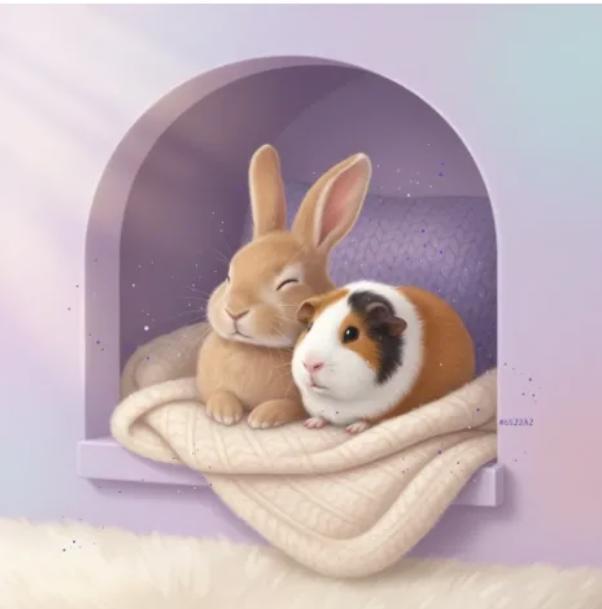
Cold Weather and Your Small Pet
As temps shift and heaters hum back to life, our small friends feel it first. At Fluff U, we’re all about keeping rabbits and guinea pigs comfy, calm, and breathing easy—no matter what the weather is doing outside.
Use this quick and friendly guide to create a magical, cozy microclimate at home.
Comfort Zones at a Glance
- Rabbits: happiest around 50–70°F (10–20°C); more cold-tolerant than heat-tolerant
- Guinea pigs: sweet spot is 65–75°F (18–22°C); struggle with both cold and heat
They’re naturally better at handling cool weather than heat, but rapid cold snaps, drafts, and inconsistent indoor temperatures can still knock them off balance. Add in dry, recycled air from heating systems, and you get irritated noses, cranky eyes, and inflamed airways.
And unlike dogs or cats, these little ones can’t clear congestion as easily. Anything that affects breathing or eye moisture can escalate into an illness faster than you might expect.
Dry Indoor Air: The Silent Winter Trouble-Maker
Heating systems love to steal moisture out of the air like it’s a hobby. Unfortunately, small pets rely heavily on that humidity to keep their respiratory passages functioning.
Dry winter air can cause:
- Irritated nasal passages
- Sneezing
- Clear watery discharge
- Red or irritated eyes
- Flaky skin
- Increased dust sensitivity
- Thicker mucous that’s harder for them to clear
Sensitive animals may sneeze in little clusters, have “weepy” eyes, or get crusty noses. And while a single sneeze isn’t an emergency, winter dryness can mask early respiratory infections if you don’t stay alert.
Indoor Pollutants and Winter Dust Buildup
Once the windows close, everything you normally vent out… stays inside.
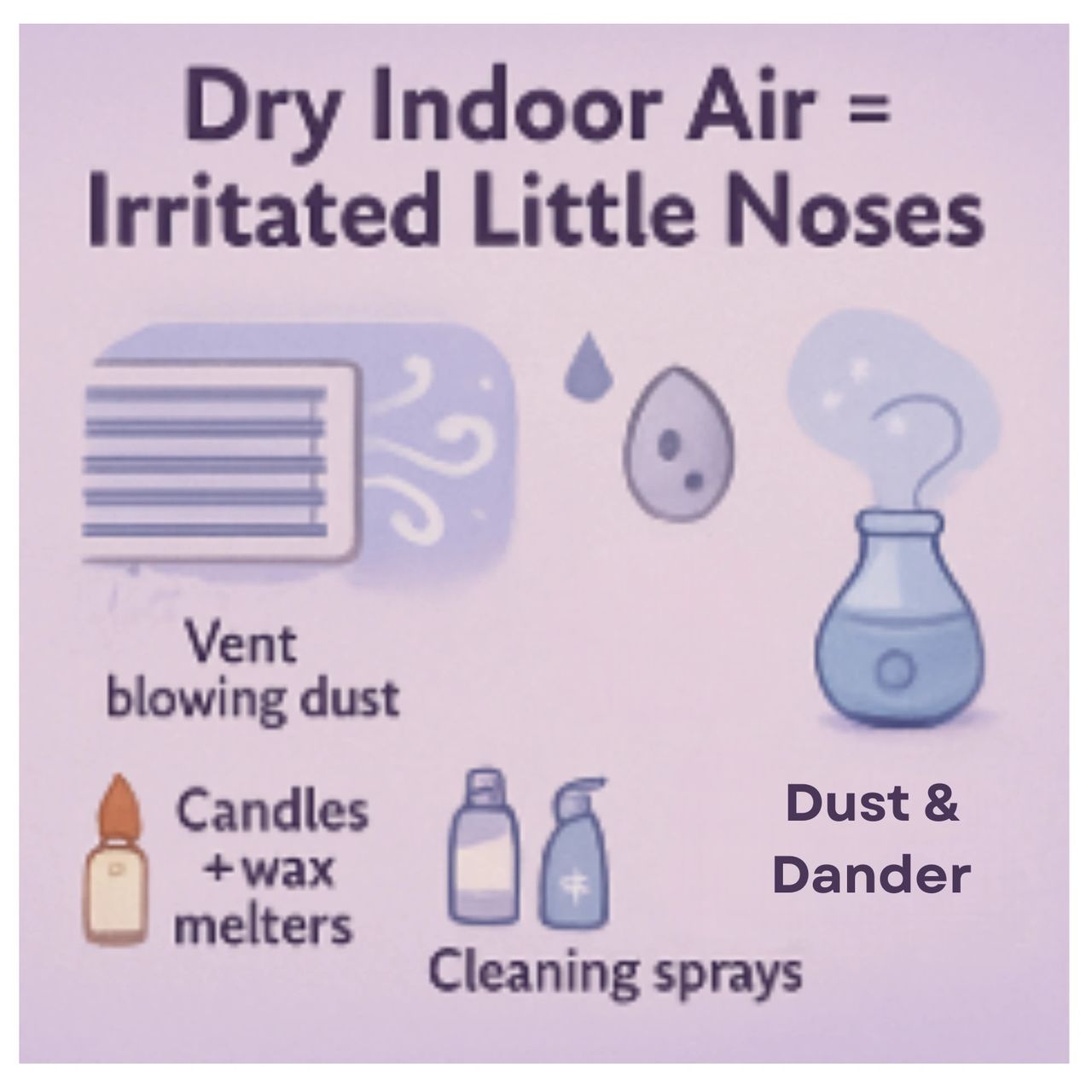
Common winter irritants for small pets:
- Dust blowing from heating vents
- Scented candles, wax warmers, incense
- Cooking fumes
- Cleaning sprays and aerosols
- Dust from hay stored too close to vents
- Bedding particles circulating in dry air
Even “mild” pollutants can irritate sensitive noses and eyes, especially in rabbits, guinea pigs, and chinchillas.
If your pet starts sneezing every time the heat kicks on, your air quality is definitely part of the problem.
Spot the “Normal Winter Annoyances” vs. “Time to Call the Vet” ✅
- A few sneezes when the heat turns on
- Slight watery eyes
- Clear nasal discharge
- Occasional face rubbing
- More visible dust around the enclosure
These usually improve with better humidity and cleaner airflow.
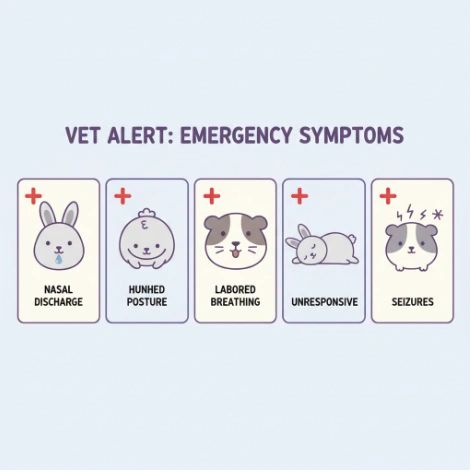
❗Time to Visit a Vet
- Thick or colored nasal discharge
- Loud breathing, clicking sounds, or wheezing
- Open-mouth breathing (an emergency)
- Crusting around the eyes or nose
- Reduced appetite, reduced water intake
- Lethargy or hiding more than usual
- Sitting puffed up in a corner
- Wet chin or drooling (especially in guinea pigs)
- Sneezing fits that happen throughout the day, not just when the heat starts
Small pets decline quickly when their respiratory tract is compromised. If they stop eating for even 8 to 12 hours, that alone is a medical emergency.
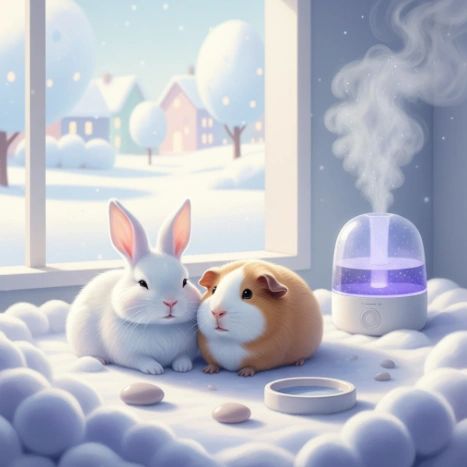
Microclimate Magic (Year-Round)
- Maintain steady temperatures
- Location matters: interior walls offer more stable temps away from vents and windows
- Insulation helps: extra bedding or blankets around (not over) habitats when chilly
- Airflow counts: circulate the room, not directly onto pets
- Maintain humidity levels of 35% to 50%
- Have a power-outage backup plan; know your emergency vet info
- Avoid Strong scents
- Clean vents before seasonal changes start
- Check eyes and ears regularly
- Air purifiers are great for decreasing allergens all year round.
Cold weather doesn’t have to be a hazard if you stay proactive. The more consistent you keep their environment, the healthier and fluffier they’ll be all season. Winter can absolutely be cozy for your small pets, as long as you balance warmth with clean, moist, breathable air.
Your tiny companions rely on you to notice those little changes. With a bit of vigilance and some humidity magic, you can help them stay bright-eyed, nose-twitchy, and comfortable through even the frostiest months.