

What Are Cecotropes? The Secret Snack Your Bunny Needs
If you've ever caught your bunny doing what looks like some serious belly grooming and wondered what's going on, you might have witnessed one of the most important (and slightly gross) parts of rabbit health. Cecotropes: your rabbit's secret superfood that they literally can't live without.
Don't worry if you've never heard this term before. Most rabbit parents haven't! However, understanding cecotropes is actually one of the most important things you can learn about your fluffy friend's health and overall well-being.
What Exactly Are Cecotropes?
Think of cecotropes as nature's version of a multivitamin, except way more effective, and your bunny makes them themselves. These aren't your regular rabbit droppings (we'll get to those in a minute). Cecotropes are special, nutrient-packed pellets that your rabbit produces specifically to eat again.
I know, I know: eating poop sounds pretty gross to us humans. But for rabbits, this is totally normal and essential for their health.
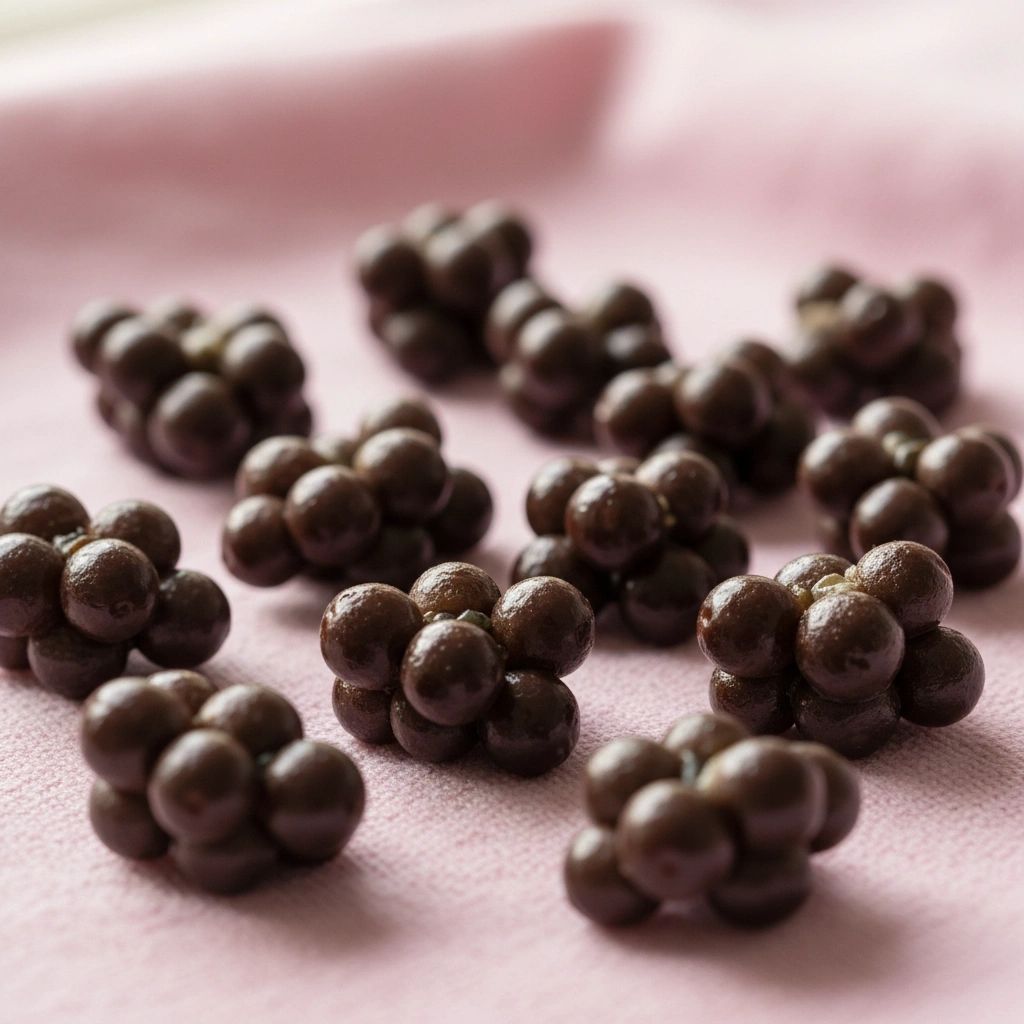
Cecotropes look quite different from regular rabbit pellets. Instead of those familiar round, dry pellets you clean out of the litter box, cecotropes appear as small clusters that look like tiny bunches of grapes or blackberries. They're soft, dark brown to almost black, and have a shiny, mucous coating that holds them together. They also have a distinct, pungent smell: much more potent than regular droppings.
Why Your Bunny Needs These "Gross" Treats
Here's where it gets interesting. Your rabbit's digestive system is basically a nutrient-extraction machine, but it needs two passes to get the job done right.
Rabbits eat a high-fiber diet of hay, grasses, and leafy greens, which is exactly what their bodies are designed for. But all that fiber is tough to break down! So your bunny's digestive system has evolved an awesome two-step process called cecotrophy.
First, food travels through their system and gets fermented in a special part called the cecum. This is where beneficial bacteria work their magic, breaking down fiber and creating a treasure trove of nutrients, including:
- Proteins (about 28-30% crude protein!)
- B vitamins (including B12 at 100 times their daily requirement)
- Essential amino acids like lysine and threonine
- Short-chain fatty acids for extra energy
- Beneficial bacteria that keep the gut healthy
All these goodies get packaged up into cecotropes, which your rabbit then consumes directly from their bottom. The mucous coating protects all those beneficial bacteria as they travel through the stomach, so they can set up shop in the cecum again and keep the cycle going.
The Normal Cecotrope Routine
Here's what's really cool about healthy rabbits: you probably won't see cecotropes very often, if ever. That's because rabbits typically eat them immediately as they're produced.
Your bunny might look like they're doing some intense grooming around their belly area, but they're actually harvesting their cecotropes. This usually happens during their less active periods, often in the early morning or late evening when they're relaxed and comfortable.
If your rabbit is healthy and eating properly, cecotropes should be consumed right away. Finding occasional cecotropes isn't necessarily cause for panic, but consistently finding uneaten ones might signal something worth paying attention to.

When Cecotropes Become Concerning
While cecotropes are totally normal, finding them regularly in your rabbit's living space can indicate a few different issues:
Dietary Imbalances
The most common reason for leftover cecotropes? Your bunny might be eating too many pellets and treats and not enough hay. When rabbits get too many calorie-dense foods, they can overproduce cecotropes and simply can't keep up with eating them all.
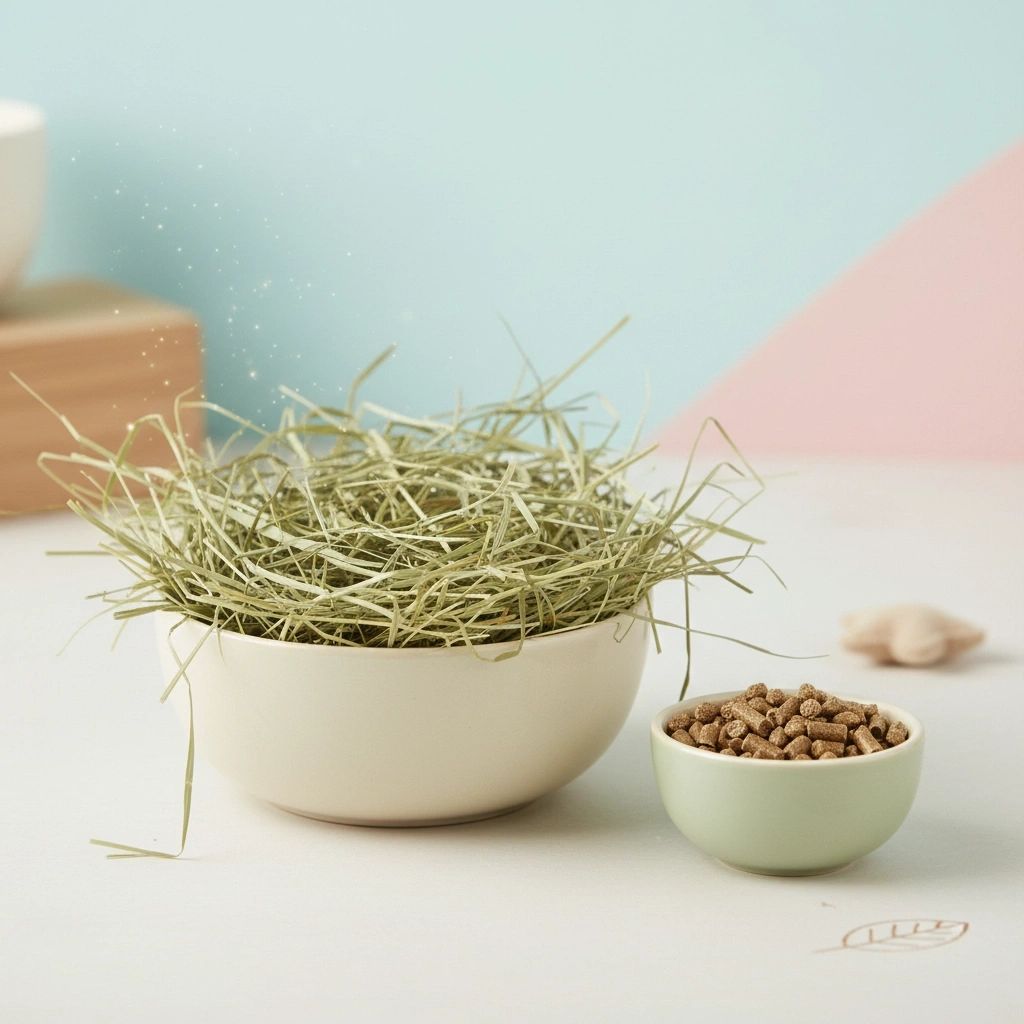
Remember the golden rule: hay should make up about 80% of your rabbit's diet. Those commercial pellets should be more like a small side dish, not the main course.
Physical Issues
Sometimes rabbits can't reach their cecotropes due to:
- Obesity is making it difficult to bend around
- Arthritis or joint pain limiting mobility
- Dental problems make it uncomfortable to eat
- Illness or injury affecting their normal routine
Age-Related Changes
Senior rabbits might produce more cecotropes than they can consume, or mobility issues might make it harder for them to reach them comfortably.
Tips for Rabbit Parents
Monitor the Situation
Keep an eye on your rabbit's litter box and living area. Occasional cecotropes aren't alarming, but if you're finding them regularly, it's time to investigate.
Check Their Diet
Take an honest look at what your bunny is eating:
- Are they getting unlimited Timothy hay?
- How many pellets are you giving? (Should be about 1/4 cup or less per 5 pounds of body weight)
- Are treats making up more than 5% of their diet?
- Are they eating their leafy greens?
Watch Their Behavior
Notice if your rabbit seems to be having trouble moving around, eating, or if their eating habits have changed recently.
Create a Comfortable Environment
Make sure your rabbit has:
- Clean, comfortable spaces to relax in
- Easy access to all their favorite spots
- Low-stress environment where they feel safe
The Bigger Picture of Bunny Health
Understanding cecotropes is really about understanding your rabbit's unique digestive system. Unlike dogs or cats, rabbits have evolved this incredible system that maximizes nutrition from a high-fiber diet.
This is one reason why rabbits can't just eat any old pet food: their digestive systems are specialized, and they need the right fuel to work properly.
Regular grooming sessions can actually be a great time to check on your rabbit's overall health, including their cecotropes. During grooming, you might notice if they're having trouble reaching certain areas or if their mobility seems limited.
When to Reach Out for Help
While the occasional cecotrope isn't cause for emergency, you should consider consulting with a rabbit-savvy veterinarian if:
- You're consistently finding multiple cecotropes daily
- Your rabbit seems uncomfortable or has changed their eating habits
- They appear to be having trouble moving around normally
- There are other changes in their behavior or appetite
At Fluff U, our experienced groomers work with rabbits regularly and often spot health changes during grooming sessions. We know what normal, healthy rabbits look and act like, so we can help alert you to any concerning changes we might notice.
Keeping Your Bunny Happy and Healthy
The wonderful thing about cecotropes is that when everything is working properly, it's a completely behind-the-scenes process. Your rabbit handles it all naturally, and you get to enjoy a happy, healthy bunny without thinking much about this slightly gross but totally essential part of their biology.
By understanding this normal part of rabbit health, you're better equipped to notice when something might be off and take action to keep your fluffy friend feeling their best.
If you're ever concerned about changes in your rabbit's behavior or health, don't hesitate to reach out to us. Our team at Fluff U has experience with rabbit care and can often spot health concerns during regular grooming sessions. Plus, a relaxing spa day might be exactly what your bunny needs to feel comfortable and happy!
Because healthy, happy bunnies make for the best snuggle companions, even if they do have some pretty unusual snacking habits.